How To Title Assets Correctly To Align With Your Estate Plan
- David Greene
- Comments Off on How To Title Assets Correctly To Align With Your Estate Plan
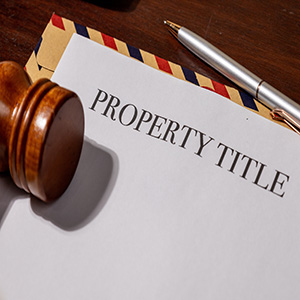
One of the most overlooked aspects of estate planning is how assets are titled. Even with a well-drafted will or trust, incorrectly titled assets can undermine your intentions and create unnecessary complications for your loved ones. This article explains…
- Why proper asset titling in estate planning matters.
- How ownership structures affect control and liability.
- How an attorney can help ensure your assets are aligned with your overall estate plan.
Can Incorrectly Titled Assets Bypass My Will Or Trust?
Yes, they certainly can. Assets must be titled in the correct name, and that applies to trusts as well. If an asset is incorrectly titled, the trust may try to address it, but will not be able to do so properly. The same is true for a will. Either way, if the title is wrong, the document cannot effectively control what happens to that asset.
What’s The Difference Between Joint Ownership And Individual Ownership?
Joint ownership means that two or more people share ownership of property. That comes with certain drawbacks. Everyone listed on the title must sign documents related to the property, including documents needed to sell it. This makes it much more difficult to conduct business or manage the property.
With joint ownership, each owner holds an undivided interest in the entire property. For example, if five people own five acres, each person owns an interest in all five acres, not one specific acre. This structure can make management more complicated.
Individual ownership, on the other hand, means one person owns the property outright. That individual is free to do whatever he or she wants with the property without needing anyone else’s approval.
Should I Title My Home In My Trust Or Leave It In My Name?
You should definitely move your land into your trust. This is done through a deed transferring the property from you to your trust. One major benefit is that it avoids probate, because you will not own the land at the time of your death; the trust will. However, you still maintain full control over the property as the trustee and can do whatever you want with it during your lifetime. Overall, this approach makes the process much easier to manage.
How Do Beneficiary Designations Affect Asset Distribution?
In your will or trust, you designate who receives which assets and in what percentages. The personal representative of a will or the successor trustee of a trust is required to follow those instructions exactly. Beneficiary designations play a significant role in how assets are distributed, because they must be handled according to the rules you set forth in your estate planning documents.
What’s The Risk Of Naming A Child As A Co-Owner Of An Account Or Property?
Assuming we are talking about an adult child, naming a child as a co-owner still adds a level of risk. You would never name a minor child as a co-owner, as that would require a guardian, separate accounts, and create numerous complications.
Even with an adult child, there are liability concerns. If that child is involved in a lawsuit, for example, after a car accident, the property could be at risk. There is also the possibility that the child could withdraw money from an account if their name is on it. Additionally, any transaction involving the account or property would require both of you to sign documents, which can be inconvenient and difficult. For liability reasons alone, it is generally better not to add your child’s name to deeds or accounts.
Can An Attorney Audit My Current Asset Titles To Spot Potential Problems?
Yes, an attorney can conduct a title search for real property and review documentation for other types of accounts. This includes verifying that the names are correct, the information is accurate, and all documents are properly signed. Reviewing asset titles is an important step in making sure your estate plan works as intended.
Still Have Questions? Ready To Get Started?
For more information on proper asset titling in estate planning, an initial consultation is your next best step. Get the information and legal answers you are seeking by calling (864) 271-7940 today.

David Greene is the founder of The Greene Law Firm, P.A. and has extensive experience helping South Carolina clients ensure their estate plans actually work as intended.
He regularly reviews asset titles, beneficiary designations, and trust funding to identify issues that could lead to probate, liability exposure, or unintended distributions. With experience guiding countless clients through correcting improperly titled assets, David Greene understands how small mistakes can create major problems later.
If you want confidence that your assets are properly titled and aligned with your estate plan, contact The Greene Law Firm, P.A. today to schedule a consultation.